- Home
- Pages
- Tour List
- Tour Search
- Blog
- Single Posts
- Our Blog
- Aside Post Format
- Gallery Post Format
- Image Post Format
- Link Post Format
- Quote Post Format
- Video Post Format
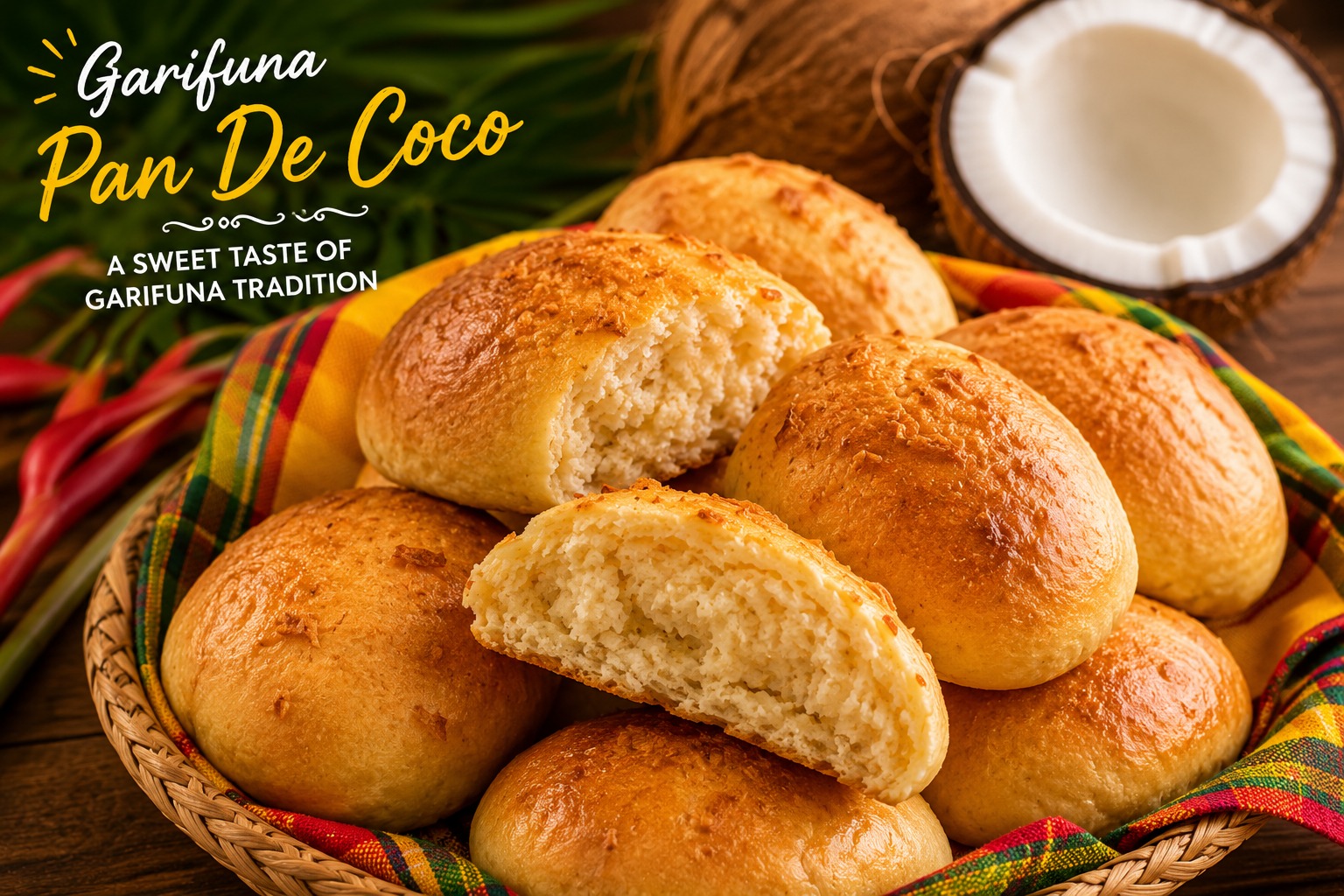
Pan de coco is the everyday bread of the Garifuna coast, and it starts with a coconut and nothing you’d expect. No milk, no eggs, no butter. The richness comes entirely from the coconut: fresh milk pressed from the grated flesh, worked into a soft, lightly sweet roll. On this three-hour class you make it the way it’s been made for generations, by hand.
You’ll grate the coconut, press the milk, build and knead the dough, then shape and bake the rolls. Garifuna recipes were traditionally never written down, passed instead from mother to daughter, so a class like this is how the technique stays alive. The result is a dense, tender roll that’s meant to be torn open beside a bowl of fish stew, though warm from the oven it needs nothing at all.
Coconut is the heart of the Garifuna kitchen. The Honduran Garifuna cook Isha Gutiérrez-Sumner, who wrote the first Garifuna cookbook, names the four pillars of the cuisine as coconut, cassava, community and continuity. Pan de coco belongs to the first of those.
Price Includes

Price Excludes

Three hours baking Garifuna coconut bread from scratch, starting with a whole coconut. You’ll grate it, press the milk, knead the dough and bake the rolls. It runs in English, with Spanish on request, for groups of 1 to 15, private or shared. Everything starts at the Dibasei office.
Meeting point
The Dibasei office in Livingston. Walk over if you’re staying in town, or come in by lancha if you’re visiting just for the tour.
A Garifuna coconut bread from Central America’s Caribbean coast: soft, lightly sweet wheat rolls made with fresh coconut milk, no dairy and no eggs. It’s usually eaten beside savory food like fish stew.
Only lightly. The coconut gives it richness and a faint sweetness, but it’s built to go with savory dishes, not as a dessert.
Yes. Traditional pan de coco has no milk, butter or eggs. All the fat and flavor come from coconut, which also makes it suitable for many dairy-free diets. Double check ingredients when in doubt.
None. The baker guides every step from the coconut on, so first-timers finish with a batch of rolls.
English by default. Spanish is available on request, so mention it when you reserve.
Only if you’re not already in Livingston. The town is boat-only. Lanchas run from Puerto Barrios in about 30 minutes and from Río Dulce in roughly 90. Boat fare isn’t included.